
Best Time to Visit Coorg: A Month-by-Month Decision Guide
Choose the best time for your Coorg trip with a month-by-month guide to cooler months, warmer travel and monsoon trade-offs—plus what to recheck.
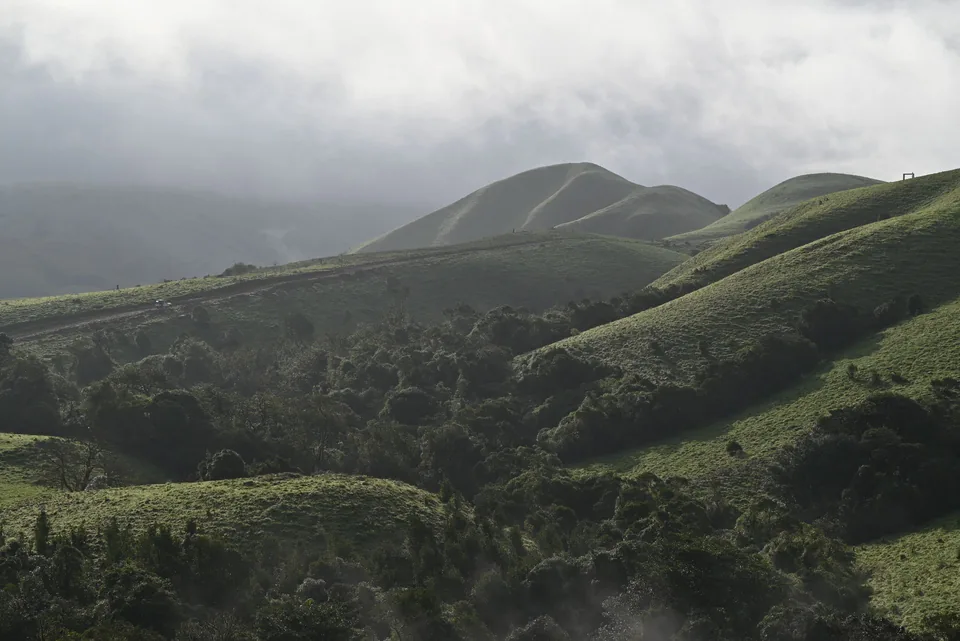
For the broadest chance of comfortable outdoor sightseeing, October to March is the most versatile Coorg window. Karnataka Tourism describes October to March as suitable for hill stations and coffee country, with October to February generally cooler across the state. June to September is the deliberate rain-and-greenery choice: rewarding for a stay-led break, but more dependent on rain protection, flexible plans, visibility and current road or local alerts. April and May can still work when you are comfortable with warmer afternoons and plan more of the day around mornings, evenings and the stay itself.1, 2
That is a seasonal planning answer, not a weather promise. Coorg covers different elevations and settings, and the forecast for your dates matters more than a long-range average when you are deciding what to pack or whether an outdoor plan is sensible.
Current Stillaways scope: This is general editorial guidance. Stillaways is not currently checking suppliers, issuing quotes, arranging travel, taking payments or confirming bookings through this website.
Choose the season by the trip you want
| Period | Broad character | Often suits | Plan around |
|---|---|---|---|
| October–March | Post-monsoon into the cooler, generally more comfortable sightseeing season | First visits, mixed-age groups, outdoor stops, travellers who prefer clearer-day odds | Holiday demand, cool mornings/evenings, exact local forecast and property access |
| April–May | Warmer part of the year, with hill areas remaining a possible escape from hotter cities | Stay-led weekends, relaxed plantation time, travellers who can shift outings to cooler hours | Warmer afternoons, shade, hydration and the exact room’s ventilation/cooling |
| June–September | Main rainy period in the Western Ghats; greener, wetter and more changeable | Travellers who actively want rain, mist and time at the stay | Heavy-rain days, slippery walking surfaces, changing visibility, flexible outdoor plans and live advisories |
Karnataka Tourism uses slightly different boundaries on different pages: its statewide guide describes the rainy season as June–September, winter as October–February and summer as March–May; its Coorg guide groups October–March, June–September and March–May.1, 2 Treat those as broad planning bands. A month does not guarantee a particular day.
Coorg month by month
January and February: cooler-season planning
These months sit inside Karnataka Tourism’s October–February winter frame and its October–March hill-station window.1 They are a practical starting point when outdoor stops and walking comfort matter to the group.
Do not translate “cooler” into a packing guarantee. Check the forecast for the exact property area and ask about room conditions if anyone is sensitive to cold or damp. For a family or a trip with older parents, confirm steps, walking surfaces and how far the room is from vehicle access; season alone does not resolve those questions.
March: a transition month
March appears at the edge of the broader October–March hill-country window and at the beginning of the statewide March–May summer frame.1, 2 That makes it better treated as a transition than as a fixed label.
Build outdoor time around the current forecast. If the trip is mostly about a quiet stay, the exact property setting and room comfort may matter more than fitting several exposed sightseeing stops into the afternoon.
April and May: make the stay work harder
Karnataka Tourism describes March–May as the warmer season while noting that hill stations remain attractive.1 April and May can suit travellers who want a short break and are happy to use cooler mornings and evenings for outings.
Before deciding, check:
- the room category’s ventilation or cooling rather than the property’s generic amenity list;
- shaded areas and whether meals require additional travel;
- how much of the itinerary sits outdoors in the afternoon;
- water and rest needs for children or older travellers.
This period should not be sold as uniformly cool. The useful question is whether the actual stay and daily rhythm fit warmer conditions.
June to September: choose the rain deliberately
The statewide tourism guide says the Western Ghats can receive heavy to very heavy rainfall during the June–September rainy season. Its Coorg pages describe this as the lush, green monsoon period.1, 2
That can be exactly the atmosphere a couple wants for a slow plantation stay. It can also reduce visibility, change walking comfort, slow a road journey and make an attraction-led schedule fragile. A rain-led trip works best when time at the stay has value even if an outdoor plan changes.
Ask these questions shortly before travel:
- Is there an official weather or local travel alert for the route or area?
- What is the final approach to the property, and has the property given current access instructions?
- Which planned activities depend on visibility, water conditions or outdoor operation?
- What is the fallback if an outing is unsuitable?
- Does everyone have suitable footwear and rain protection?
Do not treat an older blog post, a social reel or a previous traveller’s road report as current clearance for your dates.
October: post-monsoon transition
October sits at the start of the broad hill-country season in Karnataka Tourism’s guidance.1 It can combine green landscapes with improving conditions, but a calendar boundary does not switch off rain or repair every access road.
Keep the same current-condition checks used for monsoon travel, especially early in the month or after significant rain. If clear views are the main purpose of the trip, check forecast and local conditions rather than relying on the word “October.”
November and December: cooler, popular-season planning
November and December sit inside the October–February winter frame.1 They are a sensible starting point for a first visit or a mixed-age group that wants outdoor time without intentionally choosing the rainy season.
Public holidays and year-end dates may change availability, traffic and terms. This page does not claim how busy a specific weekend will be. Compare current written options and cancellation terms before making a commitment elsewhere.
Which period fits your group?
Couples
Decide whether the trip is stay-led or outing-led. A couple who wants rain, mist and unstructured property time may enjoy June–September. A couple prioritising viewpoints, walks and a fuller outdoor day may prefer to begin with October–March, then check the forecast.
Families with children
Meal timing, dry clothing, rest, safe walking surfaces and a weather fallback matter more than collecting stops. In rainier months, make sure the stay itself can carry more of the trip. In warmer months, protect the middle of the day.
Travellers with older parents
Choose from current evidence about vehicle access, steps, handrails, walking distance, room-to-dining movement and toilet-stop flexibility. A generally pleasant season does not make a steep or slippery property suitable.
A first Coorg visit
October–March is the simplest initial search window because it is the broad period the official tourism guidance identifies for hill stations and Coorg.1, 2 Then narrow by dates, exact property, road plan and the activities you care about.
Stable background versus changing conditions
Stable enough to plan with
- June–September is the broad rainy-season frame used by Karnataka Tourism for the Western Ghats.
- October–March is the broad hill-station/coffee-country window in the same official guidance.
- A stay-led and an outing-led Coorg trip need different weather tolerance.
Recheck close to travel
- daily forecast and any official alerts;
- current route and road restrictions;
- final property approach and after-dark access;
- attraction hours, closures and weather-dependent operation;
- exact room facilities, meals, cancellation terms and availability.
A five-minute timing decision
- Write down the one experience the trip must deliver: quiet property time, outdoor viewpoints, plantation walks, waterfalls, or a mixed first visit.
- Choose the broad season that supports that experience.
- Check whether every traveller accepts the likely heat, rain, walking and road trade-offs.
- Select the exact property and route before treating the plan as workable.
- Recheck forecast, alerts and operations shortly before departure.
There is no universally best Coorg month. There is a best-fit period for the people travelling and the trip they actually want.
If you are still comparing the journey, continue with the Bengaluru-to-Coorg road guide. If you are ready to estimate the complete spend, use the Coorg weekend cost worksheet.
Sources
- Department of Tourism, Government of Karnataka, Weather & Best Time to Visit, reviewed 20 September 2026.
- Department of Tourism, Government of Karnataka, Coorg destination guide, reviewed 20 September 2026.
Keep the research with you
If Coorg or Chikmagalur interests you, register only a destination, broad window, and traveller type for first access.
Join first access